Fixing Together: Community Pop-Up Repair at Libraries and Makerspaces

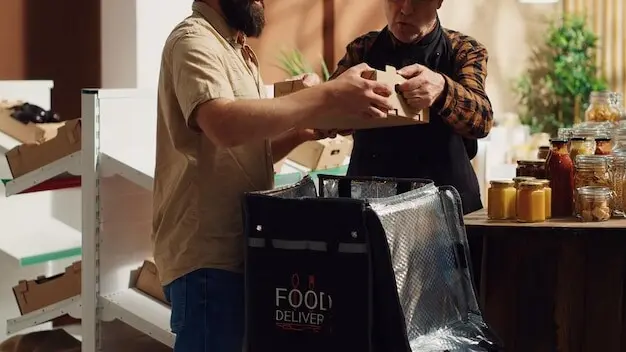
Join librarians, makers, and neighbors in practical collaboration by partnering with libraries and makerspaces to host pop-up repair sessions that revive broken items, strengthen skills, and reduce waste. This welcoming approach turns public spaces into hands-on classrooms, empowers residents to fix instead of toss, and sparks intergenerational learning, civic pride, and circular-economy thinking, while building lasting relationships that carry momentum far beyond a single weekend event.

Building Trust with Community Hubs

Public libraries and makerspaces already serve as trusted anchors for curiosity, creativity, and practical problem-solving. By collaborating respectfully with staff and volunteer leaders, you can align shared missions, map constraints honestly, and co-create gatherings where learning is reciprocal, neighbors feel seen, and small repairs become catalysts for bigger conversations about community resilience and resourcefulness together.

Approach Librarians and Makerspace Leaders

Start by requesting a brief meeting with the branch manager or makerspace coordinator, listening for priorities, timelines, and concerns. Share concise examples from other cities, emphasize safety and accessibility, and propose a pilot format that fits existing calendars, staffing patterns, and neighborhood rhythms.

Crafting a Shared Vision and Scope

Use a short one-page document to outline goals, repair categories allowed, roles, sign-in process, photo consent, and communications. Invite collaborators to edit directly, clarifying responsibilities and expectations early, so trust grows, surprises shrink, and the energy focuses on welcoming guests and celebrating shared success.

Designing an Inclusive Repair Experience

A welcoming event flows smoothly for first-timers and seasoned tinkerers alike. Design with clear signage, comfortable seating, visible safety gear, and a friendly triage desk that listens carefully. Prioritize dignity, transparency, and consent, so every participant understands risks, options, and learning opportunities while feeling supported, respected, and genuinely empowered to try.

Recruiting and Training Volunteer Fixers

Successful gatherings depend on generous, skilled neighbors who love to teach. Build a crew that reflects the community, including retirees, students, repair professionals, and curious hobbyists. Offer micro-orientations before each session, share clear safety expectations, and pair new volunteers with veterans, transforming solitary know-how into joyful, collaborative public learning.

Tools, Materials, and Risk Management

Thoughtful preparation prevents bottlenecks and protects everyone. Build modular toolkits, label drawers clearly, and standardize consumables like solder, fuses, thread, needles, zip ties, Velcro, and tape. Decide what is in-scope, maintain checklists, test outlets before setup, and confirm liability considerations with hosts so surprises remain minimal and manageable.

Essential Toolkits and Borrowing Policies

Stock Phillips and flat drivers, precision sets, Torx bits, pliers, snips, hex keys, multimeters, sewing machines, hand needles, fabric scissors, patch kits, chain tools, and tweezers. Create a simple sign-out sheet, differentiate shared versus specialty tools, and post care guidelines to encourage responsibility and reduce loss.

Spare Parts and Upcycling

Gather common fuses, power cords, buttons, zippers, fasteners, inner tubes, bearings, and resistors. Invite donations from repair shops and neighbors. Create a clean salvage bin for donor devices, teaching safe part harvesting, labeling, and reuse, while explaining right-to-repair values that keep materials circulating locally.

Risk Management and Waivers

Work with hosts to review insurance, emergency exits, and incident reporting. Use plain-language waivers, emphasizing voluntary participation and shared responsibility. Train a safety officer to monitor power strips, trip hazards, and ventilation. Encourage stop-work authority, and applaud decisions to pause when conditions feel uncertain or unsafe.

Outreach and Storytelling

Flyers, Social Media, and Calendars

Design accessible posters with dates, times, transit options, and a friendly reminder to bring chargers, screws, or spare buttons. Cross-post to library and makerspace feeds, tag neighborhood associations, and ask partners to reshare, ensuring the invitation reaches seniors, students, caregivers, and busy families juggling complex schedules.

Partnering with Local Media

Pitch a human-centered angle to community papers and radio: neighbors teaching neighbors, waste prevented, skills rediscovered. Offer specific interview times, invite reporters to observe respectfully, and provide a safety briefing. Share a few quantified results afterward to reinforce momentum and inspire others to host similar collaborations.

Capturing Impact Metrics and Stories

Track attendance, repair categories, success rates, estimated pounds diverted from landfill, and repeat participation. Pair numbers with mini-profiles, like the grandfather who fixed a lamp with his granddaughter. Invite readers to subscribe for updates, volunteer calls, and tool drives that keep the movement growing sustainably.

Measuring Outcomes and Scaling

Learning accumulates when reflections are captured and shared. After each session, debrief with hosts and volunteers, noting small frictions and bright spots. Use lightweight surveys, review photos, and analyze data to refine flow, then package insights into repeatable practices other branches and neighborhoods can confidently adapt.
Loroloripalotari
Privacy Overview

This website uses cookies so that we can provide you with the best user experience possible. Cookie information is stored in your browser and performs functions such as recognising you when you return to our website and helping our team to understand which sections of the website you find most interesting and useful.